Beyond the Dip: Mastering the Art of the Shared Pot
Picture this: a pot of cheese that’s a greasy, grainy puddle. A chocolate fondue that’s seized into a stiff, sweet brick. An oil fondue that sputters dangerously, leaving dippers soggy and undercooked. This is the fate of fondue left to chance. But it doesn’t have to be yours—or your guests’. A truly memorable fondue experience is not a happy accident. It is the direct result of precise, teachable technique. This guide provides the complete framework for a transformative fondue cooking class, where teaching these core techniques is the key to unlocking consistent, impressive, and safe results. You will move from chaos to culinary elegance.
Foundational Choices: The Fondue “Hardware”
Superior fondue begins long before the heat is applied. Your initial equipment choices form the non-negotiable foundation for all that follows. Teach your guests that the right tools are not just accessories; they are integral to the process.
Pot Selection and Fuel Source
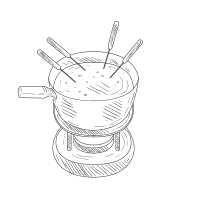
The pot, or caquelon, is the heart of the operation. Your choice dictates what you can cook successfully. For cheese fondue, a heavy ceramic or earthenware pot distributes gentle, even heat, preventing scorching. For oil or broth fondues, a metal pot—typically stainless steel or enameled cast iron—responds quickly to heat changes and maintains high temperatures safely. The fuel source is equally critical. Ethanol burners offer a traditional flame with adjustable heat but require caution. Gel fuel is simpler but offers less control. Electric fondue pots provide the safest, most consistent temperature, ideal for beginners and chocolate. Frame this choice as balancing tradition with control and safety.
The Support System: Forks, Stands, and Heat
A wobbly stand or a mismatched fork can derail the experience. Emphasize stability: the stand must be solid and level. Forks should be long-tined to securely spear food and often color-coded to avoid mix-ups—a simple but vital hygiene lesson. Teach heat management from the start: the flame should be adjusted to maintain a steady, gentle simmer for cheese and broth, or a precise 375°F for oil. This is the first lesson in active pot management.
The Ingredient & Dipper Prep Station
Here, you instill the chef’s principle of mise en place—everything in its place. A chaotic workstation leads to broken emulsions and cold oil. Organize stations with pre-measured ingredients for sauces, uniformly cut dippers, and all necessary tools. This preparation is what allows the hands-on magic to happen smoothly during the class. It transforms cooking from a frantic search for ingredients into a focused execution of technique.
The Core System: Mastering the Three Fondue Foundations
Fondue is not a passive meal. It is a live culinary system requiring constant, informed management. Break this system down into three critical control variables for your guests.
Control Variable 1: Emulsification (The Cheese Fondue Heart)
Ideal Target: A smooth, velvety, homogenous emulsion that coats a dipper perfectly.
Consequence of Error: A broken, oily, or grainy sauce that cannot be salvaged at the table.
Teaching Technique: This is your core lesson. Demonstrate the “figure-eight stir”: a constant, gentle motion that evenly distributes heat. Explain the science: cornstarch (coating the cheese) and acid (from wine or lemon juice) are the stabilizers that prevent protein clumping. Teach the method: warm the wine with garlic, then add cheese gradually while stirring in a figure-eight. Maintain a bare simmer—a violent boil will break the emulsion. This technique is non-negotiable for success.
Control Variable 2: Temperature Control (Oil & Broth Precision)
Ideal Target: Oil at a steady 375°F; broth at a vigorous but not rolling simmer.
Consequence of Error: Soggy, oil-logged food; unsafe, undercooked meat; dangerous splatter from too-cool oil.
Teaching Technique: Arm your guests with tools and tests. Insist on a deep-fry or candy thermometer for oil. Teach the “bread cube test”: a cube of day-old bread should brown golden in 30-45 seconds. For broth, bubbles should consistently break the surface. Emphasize recovery time: adding too many cold dippers at once crashes the temperature. Teach them to cook in small, deliberate batches.
Control Variable 3: Viscosity & Sweetness (Chocolate Alchemy)
Ideal Target: A glossy, fluid chocolate that sets slightly on a cool dipper.
Consequence of Error: Seized (grainy, stiff) chocolate from a single drop of water, or scorched chocolate from direct high heat.
Teaching Technique: Champion the double-boiler or the lowest possible indirect heat. Demonstrate chopping chocolate uniformly for even melting. Teach the ratio: heavy cream (or coconut milk) provides fluidity and fat, preventing seize. The key is gradual, gentle warmth. Have them stir slowly until just melted, then remove from heat. This teaches patience and precision.
| Fondue Type | Core Technique | Critical Tool | Don’t Forget |
|---|---|---|---|
| Cheese | Figure-eight stir for emulsification | Heavy ceramic pot, cornstarch | Simmer, never boil. Acid is your friend. |
| Oil | Precise 375°F temperature maintenance | Metal pot, deep-fry thermometer | Dry dippers thoroughly to prevent dangerous splatter. |
| Chocolate | Gentle, indirect melting | Double-boiler or very low heat | Chop chocolate evenly. Keep all utensils completely dry. |
Advanced Practices: The Art of Curation & Dipping Strategy
Once the core techniques are mastered, elevate the experience from mechanical to artistic. This is where your guests become true fondue connoisseurs.
Dipper Selection and Preparation
Teach pairing principles. For cheese: use crusty, day-old bread (it holds up better), crisp apples (acidity cuts richness), and blanched vegetables. For broth: select thinly sliced meats, delicate mushrooms, and leafy greens. For oil: choose items that cook quickly and evenly, like cubed meats, firm fish, and sturdy vegetables. A universal rule: pat all dippers completely dry before they meet the pot, especially for oil.
Sauce & Accompaniment Curation
Move beyond a single dip. Frame the fondue as the centerpiece of a flavor ecosystem. For broth fondues, prepare a trio of sauces: a ginger-scallion oil, a spicy sesame ponzu, and a creamy herb aioli. For oil, offer flavored salts, compound butters, and mustards. For chocolate, provide crushed nuts, sea salt flakes, and tart berries to balance sweetness. Include palate cleansers like cornichons with cheese or sparkling water between rich bites. This curation transforms the meal into a personalized tasting journey.
Threat Management: Safety and Problem-Solving
Adopt a proactive stance. A safe fondue party is a joyful one. Begin with prevention and equip your guests with rescue plans.
Prevention: The Rules of the Pot
Establish these rules as non-negotiable class law: 1) No double-dipping. 2) Secure loose clothing and long hair. 3) Never leave a lit fondue unattended. 4) Use fork etiquette—spear securely, lower gently. 5) Keep a lid nearby to smother a potential oil flame (never use water). 6) Stir cheese fondue regularly in a figure-eight to prevent settling and scorching. Prevention is the most elegant solution.
Intervention: Fondue Rescue Techniques
Even with perfect technique, problems can arise. Provide this quick-reference guide:
- Broken Cheese Sauce: Immediately remove from heat. Whisk in a teaspoon of cold lemon juice or a splash of cold cream. If that fails, create a new slurry with 1 tsp cornstarch and 1 tbsp of the broken fondue, then whisk it back in.
- Seized Chocolate: Instantly add a tablespoon of warm cream or neutral oil and stir gently. Do not add more liquid all at once.
- Overheated Oil: Turn off the heat. Carefully move the pot to a cold burner. Allow it to cool below 350°F before resuming. Use the bread cube test to confirm.
The Action Plan: A Sample Class Flow & Timeline
Structure is the scaffold of learning. This sample 2-hour class plan ensures technique is taught, practiced, and immediately enjoyed.
| Phase & Duration | Primary Tasks | Instructor Focus |
|---|---|---|
| Welcome & Theory (15 min) | Safety briefing, fondue history, overview of the three core techniques (emulsification, temp control, gentle melting). | Setting clear expectations, building foundational knowledge, and establishing safety as paramount. |
| Hands-On Station Rotation (60 min) | Guests rotate in small groups: Group A prepares dippers & sauces, Group B emulsifies a cheese fondue, Group C tempers chocolate, Group D monitors oil temperature with a thermometer. | Guided, hands-on practice. Circulate to correct stir technique, verify temperatures, and explain the “why” behind each action. |
| The Social Feast & Q&A (45 min) | All stations converge. Guests enjoy the fruits of their labor, dipping, tasting, and experimenting with pairings. Instructor circulates. | Reinforcing techniques in real-time (“See how the cheese coats the bread? That’s a perfect emulsion.”), answering advanced questions, and fostering the communal joy of the meal. |
Crafting Culinary Connection
Mastery of these techniques transforms fondue from a kitschy novelty into a reliable, impressive culinary skill. The journey is clear: from choosing the right pot as your foundation, to executing the flawless figure-eight stir for a perfect emulsion, to managing temperature with the precision of a chef. The final result is more than a meal. It is the profound satisfaction of guiding your guests to create an experience—a moment of shared conversation, laughter, and unparalleled flavor, all centered around the pot you taught them to master. This is the art of the shared pot, and it enriches every gathering.
Related Articles
- Fondue Tasting Party: Side-by-Side Cheese Comparison Format
- Virtual Fondue Party Ideas: Remote Entertaining During Distance
- Fondue Bar Setup for Weddings and Large Events
- Fondue Potluck Guidelines: Coordinating Multiple Pots and Flavors